

Honduras country guide
Honduras Property Guide
Buying, living and investing in Honduras
Honduras is almost two property markets sharing the same flag.
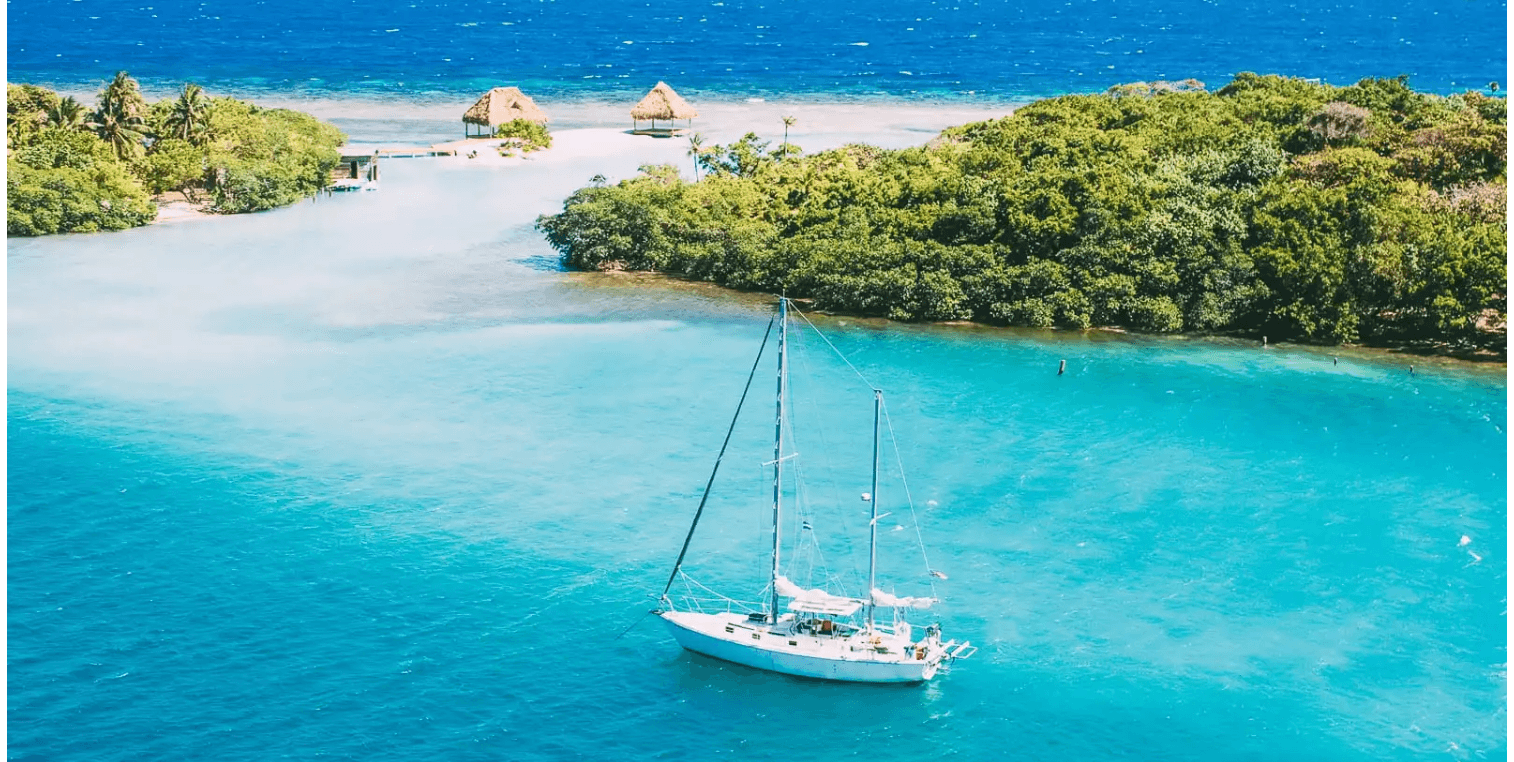
For most international buyers, Roatán and the Bay Islands are the Honduras they know — Caribbean water, coral reef, English widely spoken in the tourist areas and an established foreign property market. The mainland is different: predominantly Spanish-speaking, generally cheaper and with a much more local property market.
That difference matters because Honduras also has unusual rules around foreign ownership of coastal, border and island property.
If you're considering buying here, remember one number before looking at the swimming pool: Article 107.
It's the part of the Honduran Constitution your lawyer needs to understand properly.
Can foreigners buy property in Honduras?
Yes, but foreign ownership has restrictions that don't exist in many of the other countries in these guides.
Article 107 of the Honduran Constitution restricts direct foreign ownership of land within 40 kilometres of the coast and international borders, as well as property on the islands.
Clearly that creates an interesting situation when some of the country's most popular foreign property markets are on Roatán.
There are legal exceptions and ownership structures that allow foreigners to buy qualifying property. One commonly used exception allows an individual foreign buyer to own a residential property of up to around 3,000 m² in qualifying urban or tourism areas, subject to the applicable rules.
Larger holdings, additional properties and some coastal or island transactions are commonly structured differently, sometimes through a Honduran company.
That's something to structure with a Honduran property lawyer, not something to copy from what another expat says they did ten years ago.
Inland property outside restricted zones can be considerably simpler.
Whatever you're buying, have the title, boundaries, cadastral records, liens and ownership history independently checked.
Title problems are much cheaper to discover before you own them.
Can foreigners live in Honduras?
Yes, with the appropriate immigration status.
Tourists can generally stay for a limited period depending on nationality and entry conditions, while Honduras also offers residence categories for retirees, people with qualifying outside income, investors, workers and family members.
You'll often see Pensionado and Rentista residency discussed by international residents. The required income and documentation can change, so confirm the current requirements before planning a move around an old figure from an expat website.
Buying a house doesn't automatically provide Honduran residency.
On the mainland, speaking Spanish makes an enormous difference to everyday life.
Roatán is unusual because English is widely spoken in many of the areas popular with international residents.
You can get surprisingly far there without much Spanish.
That doesn't mean you shouldn't learn some.
How much does property cost in Honduras?
Honduras can still offer comparatively inexpensive property, but national averages aren't particularly useful.
A house in Tegucigalpa and a beachfront villa on Roatán technically contribute to the same property market.
They aren't remotely the same product.
On the mainland, livable homes can sometimes be found around US$50,000–$150,000, while houses in better gated developments around Tegucigalpa and San Pedro Sula can easily run from US$150,000–$350,000+.
Roatán is more expensive because you're competing with an international buyer market.
Condos can broadly range from around US$150,000 into US$500,000+, particularly as you move towards established areas such as West Bay.
Houses vary enormously. Hillside homes can offer considerably more space for the money, while beachfront property carries the obvious premium.
Utila can still be cheaper than Roatán, but the resale market is also smaller.
That's the trade-off you repeatedly find in island property.
Cheap to buy doesn't necessarily mean easy to sell.
What are rental yields in Roatán and Honduras?
Roatán is where rental investment becomes particularly interesting because it has an established tourism economy and international visitors.
For a sensibly purchased vacation property, gross returns somewhere around 5–8% can be a reasonable range to investigate rather than relying on spectacular brochure projections.
But gross isn't net.
Management, cleaning, utilities, maintenance, HOA charges, insurance and seasonal vacancies all reduce what reaches you.
October and November don't necessarily behave like February or March.
Mainland rental property is different again. You're generally dealing with local long-term demand rather than an international holiday market.
Don't calculate Honduran rent using Miami assumptions.
If you're buying an established vacation rental, ask for actual booking records and expenses.
A spreadsheet showing what the property “could earn” is considerably less useful than a bank statement showing what it did earn.
How much does it cost to buy property in Honduras?
Transaction costs are relatively manageable compared with some Caribbean markets.
As a broad starting point, allow around 4–7% above the purchase price, depending on the transaction and ownership structure.
The property-transfer tax is generally around 1.5%, with additional costs for lawyers, notaries, registration, surveys and cadastral work.
If you need to establish a Honduran company as part of the ownership structure, that creates additional setup and ongoing compliance costs.
Annual municipal property taxes are generally modest compared with North America.
One thing I would insist on is having the purchase contract clearly state who is paying each tax and fee.
Don't wait until completion to discover that everybody thought somebody else was paying it.
How easy is it to sell property in Honduras?
Roatán has an established international property industry, English-speaking agents and a recognisable foreign-buyer market.
That helps.
But it isn't a huge market.
A good villa or condo in an established Roatán location may find another international buyer reasonably well, but you should still think in months rather than weeks.
Utila and more unusual properties have smaller buyer pools.
On the mainland, the resale market is much more locally driven and naturally operates primarily in Spanish.
Once you've agreed a straightforward cash transaction with clean title, completion can sometimes take around 30–90 days.
Seller costs can also be higher than some buyers expect. Island agency commissions can be substantial, while capital-gains and withholding rules need to be understood before calculating your eventual return.
This is also when historic title problems have a habit of reappearing.
The title problem you ignore when buying becomes the buyer's reason for walking away when you're selling.
What's it actually like living in Honduras?
Again, you need to separate island Honduras from mainland Honduras.
Roatán has an established expat population, dive shops, restaurants, resorts, international visitors and plenty of English speakers.
Parts of the island can feel more Caribbean than Central American.
Utila is smaller, younger and particularly associated with diving.
The mainland is much more obviously Honduras — Spanish-speaking cities, towns, mountains, farms and communities where international residents are a tiny minority.
Tegucigalpa and San Pedro Sula are proper working cities rather than expat destinations.
For somebody considering Honduras because they've visited Roatán, I'd strongly suggest spending enough time there to see the island outside holiday mode.
Living beside the reef and spending a week beside the reef aren't quite the same thing.
Weather
Honduras has a tropical climate, but conditions vary around the country.
The Caribbean coast and Bay Islands are generally hot and humid, with a wetter period through much of May to November.
The mainland highlands, including Tegucigalpa, can be noticeably cooler.
For Bay Islands property owners, hurricanes and tropical storms are genuine considerations.
That means construction quality, drainage, roof condition and insurance deserve the same attention as the kitchen and swimming pool.
If you're buying waterfront property in the Caribbean, weather isn't a footnote.
It's part of the building survey.
Food
Honduran food doesn't get the international attention it deserves.
Start with baleadas — flour tortillas typically filled with beans, cheese and cream, with endless variations from there.
You'll also find carne asada, fried plantain, seafood, rice and beans and excellent locally grown coffee.
On Roatán you'll naturally find an international restaurant scene catering to visitors and expats.
Move away from the tourist areas and the food becomes much more Honduran.
The island has the expat menu.
The mainland has the real one.
Try both.
Things to do
Roatán's biggest attraction is underneath the water.
The Mesoamerican Barrier Reef makes the Bay Islands a major diving and snorkelling destination, while West Bay provides the classic Caribbean beach experience.
Utila is particularly well known for affordable diving.
On the mainland you've got Copán's Maya ruins, mountains, national parks, Caribbean coastline and a country considerably more geographically diverse than many visitors realise.
If diving, fishing and being on the water are important to you, the Bay Islands make a very convincing argument.
You may find yourself buying the house mainly because you don't want to leave the reef.
There are worse reasons.
Schools
Public education is primarily in Spanish and quality varies.
International families on Roatán generally look towards the island's private and bilingual schools.
Tegucigalpa and San Pedro Sula have a wider selection of private and international education.
For families relocating with older children, investigate this before buying.
A teenager's education isn't something you want to improvise after moving to a small Caribbean island.
Choose the school before you choose the dock.
Healthcare
The strongest private medical facilities are found around Tegucigalpa and San Pedro Sula.
Roatán can handle routine medical care, dentistry and many everyday health issues, but serious or highly specialised cases may require transfer to the mainland or overseas.
For someone living permanently on the Bay Islands, good private medical insurance with appropriate evacuation cover makes sense.
Again, that's part of island life.
A beautiful island can't contain every specialist hospital.
Know what happens when you need something it doesn't have.
Is Honduras safe?
Honduras requires more awareness than many of the European and Caribbean destinations in these guides.
The country has made progress in reducing violent crime from the extremely high levels seen in previous decades, but serious crime remains a concern in parts of the mainland.
Risk also varies enormously by location.
Roatán, Utila and Guanaja have very different visitor and expat environments from higher-risk mainland areas. Even there, normal precautions around property security, valuables and travelling at night remain sensible.
On the mainland, many middle-class Honduran families themselves choose gated residential communities and take security seriously.
If you're considering relocating, don't judge the whole country from either extreme.
Don't assume Honduras is unsafe everywhere because of national crime statistics.
But don't dismiss those statistics because your resort felt safe either.
Understand the neighbourhood you're actually buying into.
So, is Honduras a good place to buy property?
For the right buyer, particularly someone interested in Roatán property or the Bay Islands, Honduras can offer something quite compelling: Caribbean lifestyle and reef access at prices still below many of the Caribbean's better-known luxury markets.
But it's not a country where I'd buy casually.
Foreign ownership rules around coastal and island property need to be understood. Title needs proper investigation. Insurance matters. Resale liquidity matters. And security depends considerably on location.
Roatán is probably the easiest entry point for many international buyers because the foreign property market already exists, English is widely spoken and there is established tourism demand.
The mainland can offer dramatically cheaper property, but it's a completely different decision.
Most importantly, get a lawyer who genuinely understands Article 107 and foreign coastal ownership before paying a deposit.
Honduras can offer a lot of Caribbean for the money.
Just make sure you own the property in a way Honduran law agrees with.
Frequently asked questions about buying property in Honduras
Can foreigners buy property in Honduras?
Yes, but direct foreign ownership is restricted in certain coastal, border and island areas. Legal exceptions and ownership structures are available, so specialist Honduran legal advice is important.
Can foreigners buy property in Roatán?
Yes, foreigners regularly buy property on Roatán, but island ownership falls within Honduras's special constitutional rules. Qualifying residential purchases and other legal structures can allow foreign ownership.
How much does property cost in Roatán?
Condos commonly start around US$150,000 and can rise well beyond US$500,000 in premium areas. Houses vary considerably depending on location, views, land and whether they're beachfront.
What rental yields can property in Roatán achieve?
Gross vacation-rental returns around 5–8% can be achievable for suitable properties, but net returns are lower after management, maintenance, insurance, HOA fees and seasonal vacancies.
Is Honduras a good place for expats to live?
It depends heavily on location. Roatán has a substantial international community and widespread English in tourist areas, while mainland life is much more Spanish-speaking and security, healthcare and infrastructure vary considerably by area.