

Länderleitfaden Dominican Republic
Dominican Republic Property Guide
Buying, living and investing in the Dominican Republic
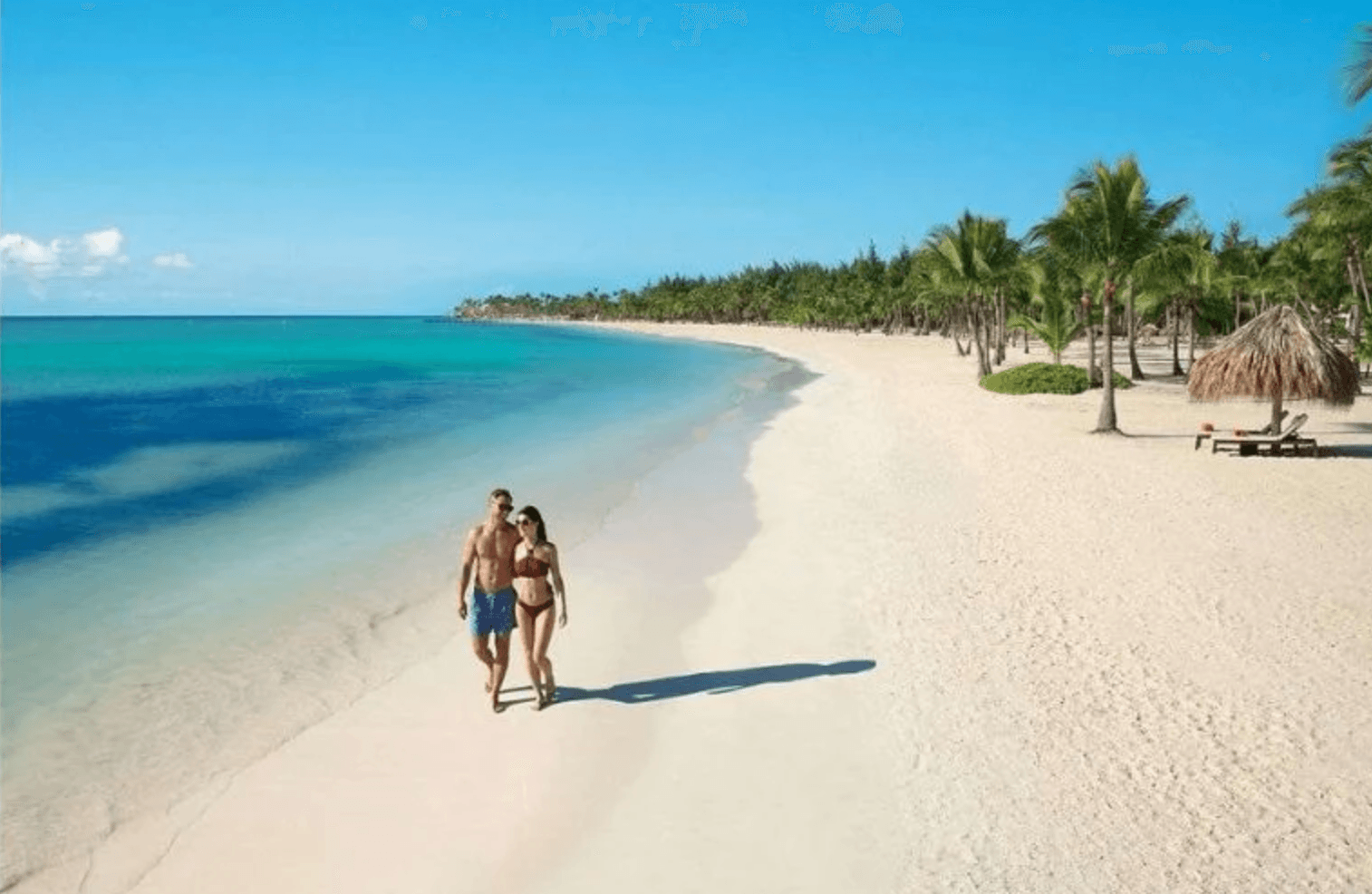
The Dominican Republic is one of the biggest property markets in the Caribbean, helped by millions of tourists, plenty of international flights and a surprisingly wide choice of property. Punta Cana is the airport and the brochure. Santo Domingo is the real city. Cabarete has kitesurfers and an international crowd. Las Terrenas is the sort of place where people arrive for two weeks and start wondering whether they could stay.
It's Spanish-speaking, uses the Dominican peso and foreigners can generally own property directly in their own name. Compared with many Caribbean islands, there's still property available at relatively approachable prices.
But there's one thing I'd put above the swimming pool, rental projection and walk to the beach: title.
In the Dominican Republic, title homework isn't optional.
Can foreigners buy property in the Dominican Republic?
Yes. Foreign buyers generally have the same property ownership rights as Dominican citizens. You don't normally need a Dominican partner, there's no general foreign-buyer surcharge and you can purchase in your own name.
The important part is making sure you're buying what you think you're buying.
Use an independent Dominican lawyer who represents you, not the developer or estate agent. You want a properly registered individual title and the boundaries correctly established.
If somebody starts explaining why the title situation is “a little complicated but completely normal”, that's the point where your lawyer earns their money.
A cheap Caribbean property with a bad title isn't cheap. It's a future legal bill with a swimming pool.
You'll also see CONFOTUR mentioned frequently, particularly with new developments in tourist areas. Qualifying projects can receive significant tax incentives, potentially including exemption from the normal property-transfer tax and annual property tax for a defined period.
That's genuinely valuable, but verify that the development actually qualifies and that the exemption applies to your particular purchase.
Can foreigners live in the Dominican Republic?
Yes, but owning property and having residency are separate things.
Many nationalities can visit relatively easily as tourists, but living permanently requires the appropriate immigration status. Residency routes exist for retirees, investors, workers and people with qualifying family connections.
If you're genuinely relocating, deal with immigration properly rather than spending years repeatedly entering as a tourist and hoping nobody minds.
Buying property can form part of an investment or residency strategy in some circumstances, but owning the keys doesn't automatically give you the right to live there forever.
How much does property cost in the Dominican Republic?
This is where the Dominican Republic becomes interesting compared with some smaller Caribbean islands.
You can still find condos around Sosúa and Cabarete from roughly US$90,000–$250,000, while Bávaro and Punta Cana commonly offer apartments and smaller properties around US$120,000–$350,000.
Las Terrenas can range from around US$150,000 into US$500,000+, depending heavily on location and proximity to the beach.
Then you've got the premium end. Cap Cana and Casa de Campo can easily move from several hundred thousand dollars into the millions.
Santo Domingo is another market entirely. It's a genuine capital-city property market rather than a holiday market, with executive apartments commonly somewhere around US$150,000–$600,000, and prime neighbourhoods such as Piantini considerably more expensive.
Across the wider online market, asking prices around US$285,000–$300,000 give a rough indication of where the middle sits, but averages aren't particularly helpful here.
A US$150,000 Cabarete condo and a US$2 million Casa de Campo villa happen to be in the same country. That's about where the similarity ends.
What are rental yields in the Dominican Republic?
This is where you'll see some exciting numbers.
Gross rental yields around 7–9% aren't unusual in market reports, while holiday developments sometimes advertise projected returns of 8–12% or more.
Possible? Yes.
Guaranteed? Absolutely not.
Short-term rental management can take a substantial percentage of your income. Then you've got HOA fees, electricity, maintenance, insurance, empty periods, booking-platform charges and tax.
A property advertised at a 10% gross yield can look considerably more ordinary by the time everybody has taken their piece.
For non-resident landlords, taxation also needs proper professional advice rather than being ignored in the sales projection.
Gross yield sells property. Net yield pays the owner.
If you're buying an existing rental, ask for actual booking records and expenses. If it's a new development, treat projected occupancy as exactly what it is — a projection.
How much does it cost to buy property in the Dominican Republic?
For a normal purchase, budgeting around 4–6% above the property price is a reasonable starting point, although some transactions can cost more.
The standard property-transfer tax is generally 3%, calculated according to the applicable registered or assessed value rules. You'll then have lawyer, notary and registration costs.
Qualifying CONFOTUR developments can potentially remove the transfer tax for eligible first purchases and provide exemptions from annual property tax for a defined period.
Without an exemption, annual property tax — IPI — can apply above the government's tax-free threshold.
Don't choose a development solely because somebody says “15 years tax free”.
Choose the right property first.
The tax break should improve a good investment, not rescue a bad one.
How easy is it to sell property in the Dominican Republic?
If the title is clean and you've found a buyer, the actual transaction can move reasonably quickly. Something around one to three months from agreement through to completed title transfer isn't unusual for a straightforward purchase.
Finding the buyer is the unpredictable part.
Punta Cana and other established tourist markets have a large international audience. A sensibly priced condo in a known development is very different from trying to sell an unusual villa somewhere inland.
Agent commissions are commonly around 3–5%.
The other big number sellers need to understand is capital-gains tax. The Dominican Republic can tax gains from property sales, and the headline rate can be substantial, although the taxable gain calculation isn't simply the difference between two numbers on your bank statements.
Get local tax advice before buying if your plan depends on resale profit.
Work out your exit before you work out your return.
What's it actually like living in the Dominican Republic?
The Dominican Republic you experience depends enormously on where you live.
Punta Cana and Bávaro have resorts, gated communities, golf, international restaurants and an economy built heavily around tourism.
Santo Domingo is completely different. It's a huge, energetic Caribbean capital with business, universities, traffic, nightlife and neighbourhoods ranging from extremely wealthy to very poor.
Cabarete has a younger, active international community built partly around surfing and kitesurfing.
Las Terrenas has become particularly popular with European expats and combines beaches, restaurants and international influence while still feeling more like an actual town than a purpose-built resort.
That's why I'd spend proper time in several places before buying.
You might discover you don't actually want the Dominican Republic you saw in the holiday brochure.
You want the Dominican Republic two hours up the road.
Weather
It's Caribbean weather: hot, humid and tropical.
The drier and most popular period is broadly December through April, while the wetter part of the year overlaps with Atlantic hurricane season.
The north coast receives more rain and benefits from winds that have helped turn Cabarete into an international kitesurfing destination.
Punta Cana and the east have the classic Caribbean resort climate most visitors expect.
Hurricanes are a genuine consideration, though. Property insurance, construction quality, drainage and storm protection aren't boring details when you're buying in the Caribbean.
The ocean view is lovely. Make sure the windows can cope with the ocean's bad moods as well.
Food
Dominican food is hearty, straightforward and very good when you get away from the resort buffet.
Try la bandera — typically rice, beans and meat — along with sancocho, mofongo, tostones and plenty of fresh fish around the coast.
Then there's Dominican rum and Presidente beer, both of which you'll encounter without making much effort.
The tourist areas have every type of international restaurant imaginable, but local comedores are where you'll often eat better for considerably less money.
The resort buffet will feed you.
The little place down the road might be the meal you actually remember.
Things to do
Beaches are obviously a huge part of life here, but the different coasts have very different personalities.
Bávaro gives you the full Caribbean resort experience. Macao and Uvero Alto can feel quieter. Cabarete is all about wind and watersports. Las Terrenas and the Samaná Peninsula offer beaches with more of a town-and-community feel.
Samaná also has seasonal whale watching, while the 27 Waterfalls of Damajagua offer something completely different on the north coast.
Santo Domingo's Colonial Zone gives you history rather than another beach day.
And if golf is your religion, places such as Casa de Campo and Cap Cana will keep you occupied.
The country itself is beautiful.
The roads occasionally seem determined to make sure you appreciate arriving.
Schools
Public schools operate primarily in Spanish, so most international families who want English-language education look towards private or international schools.
The strongest selection is naturally around Santo Domingo, Santiago and Punta Cana, with fees varying enormously but often running several thousand US dollars per child each year.
If you're relocating with children, choose the school before choosing the villa.
A beautiful house isn't much consolation if you're spending three hours every day doing the school run.
Healthcare
The Dominican Republic has good private healthcare in its major population and tourist centres.
Santo Domingo has respected private facilities, while Santiago and the Punta Cana/Bávaro area also have good private options.
Once you move into smaller towns and more remote areas, the level of specialist care falls.
For international residents, comprehensive medical insurance makes sense, ideally including evacuation or overseas treatment for serious cases.
If you're retiring somewhere remote because the beach is beautiful, check where the nearest proper hospital is before signing anything.
You'll hopefully never need it.
That's precisely when you want to know.
Is the Dominican Republic safe?
This requires a little more common sense than some of the European destinations in these guides.
Millions of tourists visit the Dominican Republic perfectly safely, particularly around established resort areas. But crime does exist, and the experience inside a gated development can be very different from some parts of Santo Domingo or more isolated areas.
The more realistic day-to-day concerns for foreign residents include theft, car break-ins, scams and occasional robbery.
Road safety deserves mentioning as well. Driving standards can be considerably more adventurous than many Europeans or North Americans are accustomed to.
Lock the villa, don't advertise expensive belongings, understand the neighbourhood and don't drive as though you're still in Kent.
That last one you'll work out fairly quickly.
So, is the Dominican Republic a good place to buy property?
For the right buyer, the Dominican Republic offers something increasingly difficult to find in the Caribbean: relatively affordable freehold property, a huge tourism industry, good international flight connections and plenty of choice.
Punta Cana gives investors an enormous tourist market. Santo Domingo provides genuine year-round city demand. Cabarete attracts a completely different crowd. Las Terrenas can work particularly well for someone who wants to actually live in the place rather than simply own a holiday apartment there.
But don't buy from a glossy rental-return spreadsheet. Verify the title. Understand the taxes. Check the HOA fees. Calculate net rather than gross income. And make sure CONFOTUR actually applies if somebody is using it to sell you the deal.
Most importantly, spend enough time there to work out which version of the Dominican Republic you actually want.
The Dominican Republic can still offer a lot of Caribbean property for your money. Just make sure the title is as attractive as the beach.
Frequently asked questions about buying property in the Dominican Republic
Can foreigners buy property in the Dominican Republic?
Yes. Foreigners can generally buy property directly in their own name without needing a Dominican partner.
How much does property cost in the Dominican Republic?
Entry-level condos in some tourist areas can start around US$100,000–$150,000, while established coastal properties commonly fall between US$200,000 and US$500,000. Luxury resort and waterfront properties can run into the millions.
Can buying property give me residency in the Dominican Republic?
Property ownership doesn't automatically provide residency. Separate residency routes exist, including options for qualifying investors and retirees.
What are typical rental yields in the Dominican Republic?
Gross yields in popular markets are often advertised around 7–9% and sometimes higher for holiday rentals, but actual net returns can be substantially lower after management, tax, HOA fees, maintenance and vacancies.
Where do foreigners buy property in the Dominican Republic?
Popular international markets include Punta Cana and Bávaro, Las Terrenas, Cabarete, Sosúa and Santo Domingo, with each offering a very different lifestyle and rental market.